
Turquoise
Jewelry
SHOP ALL TURQUOISE
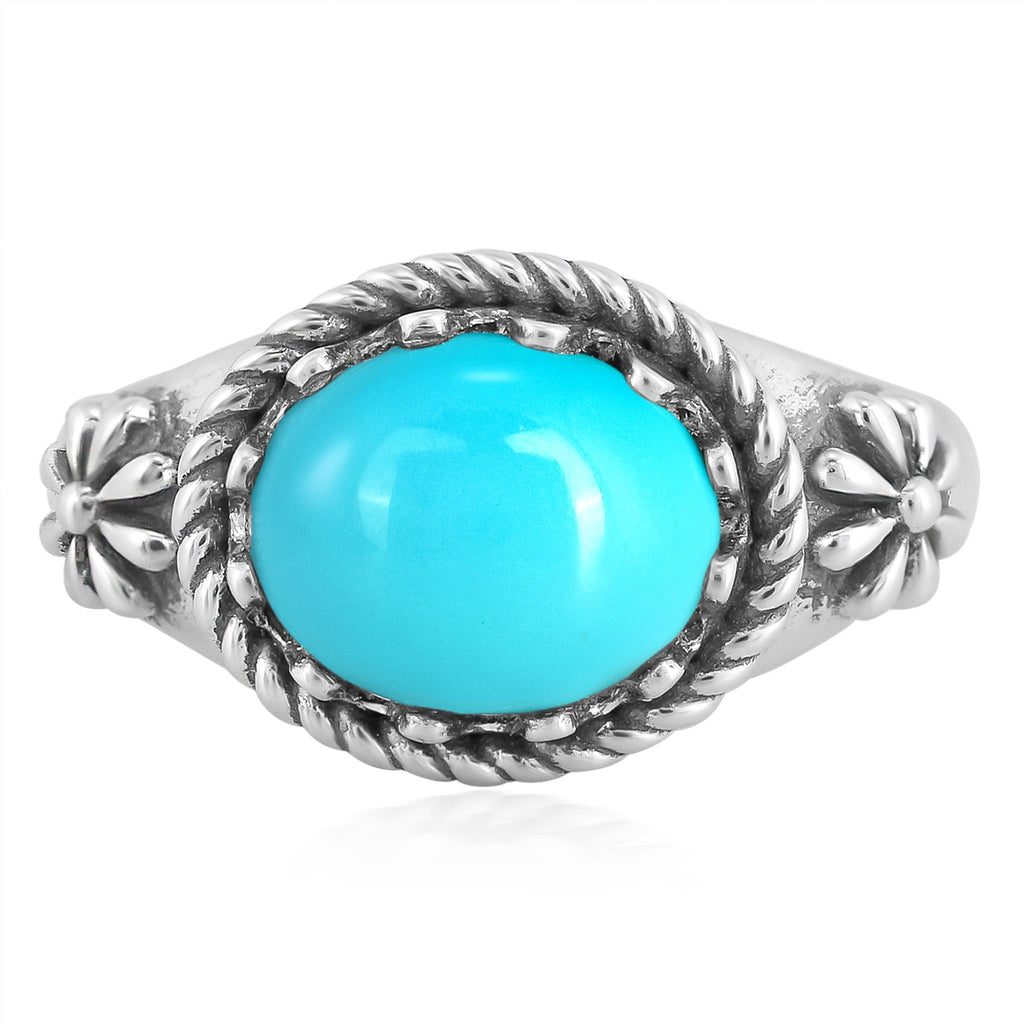
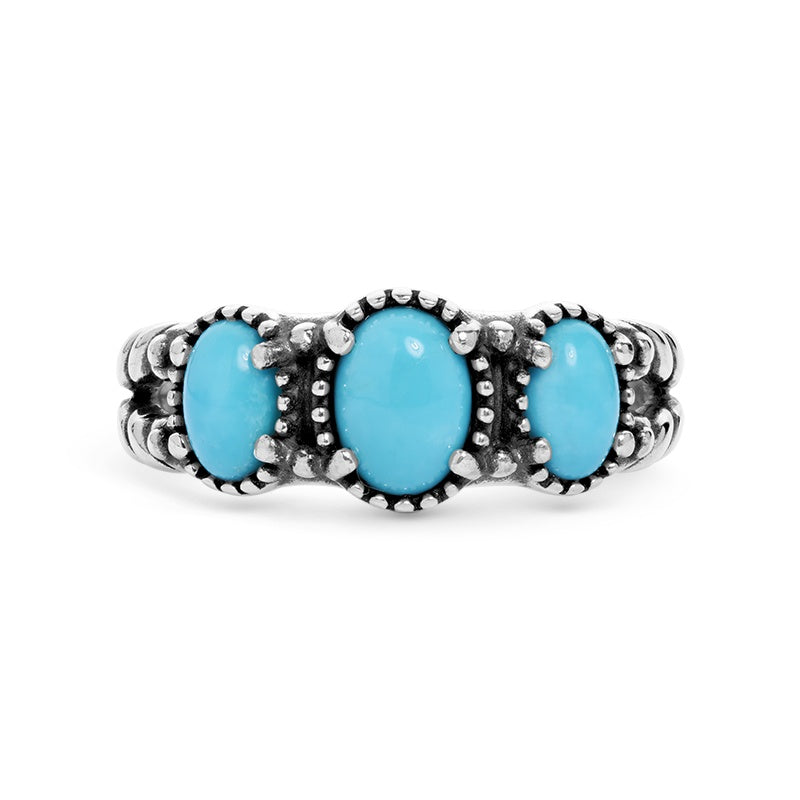
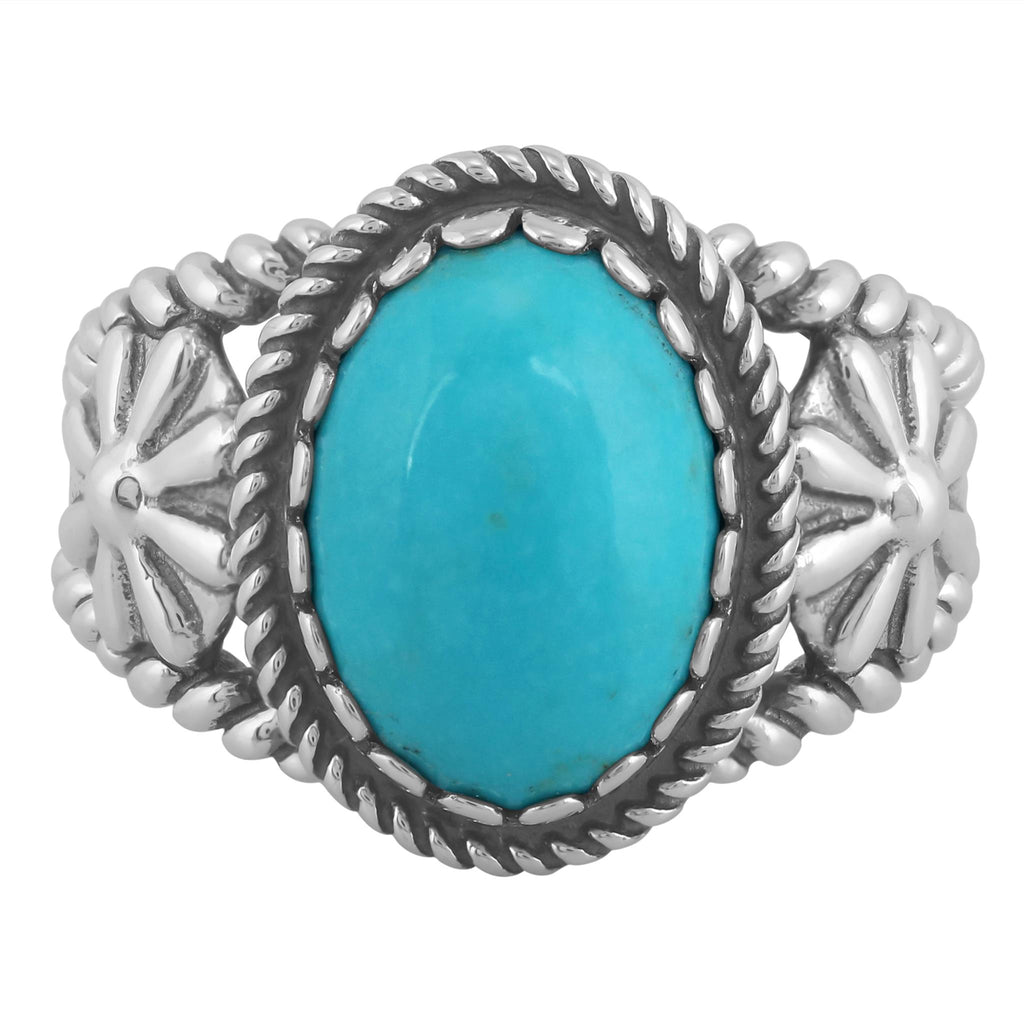

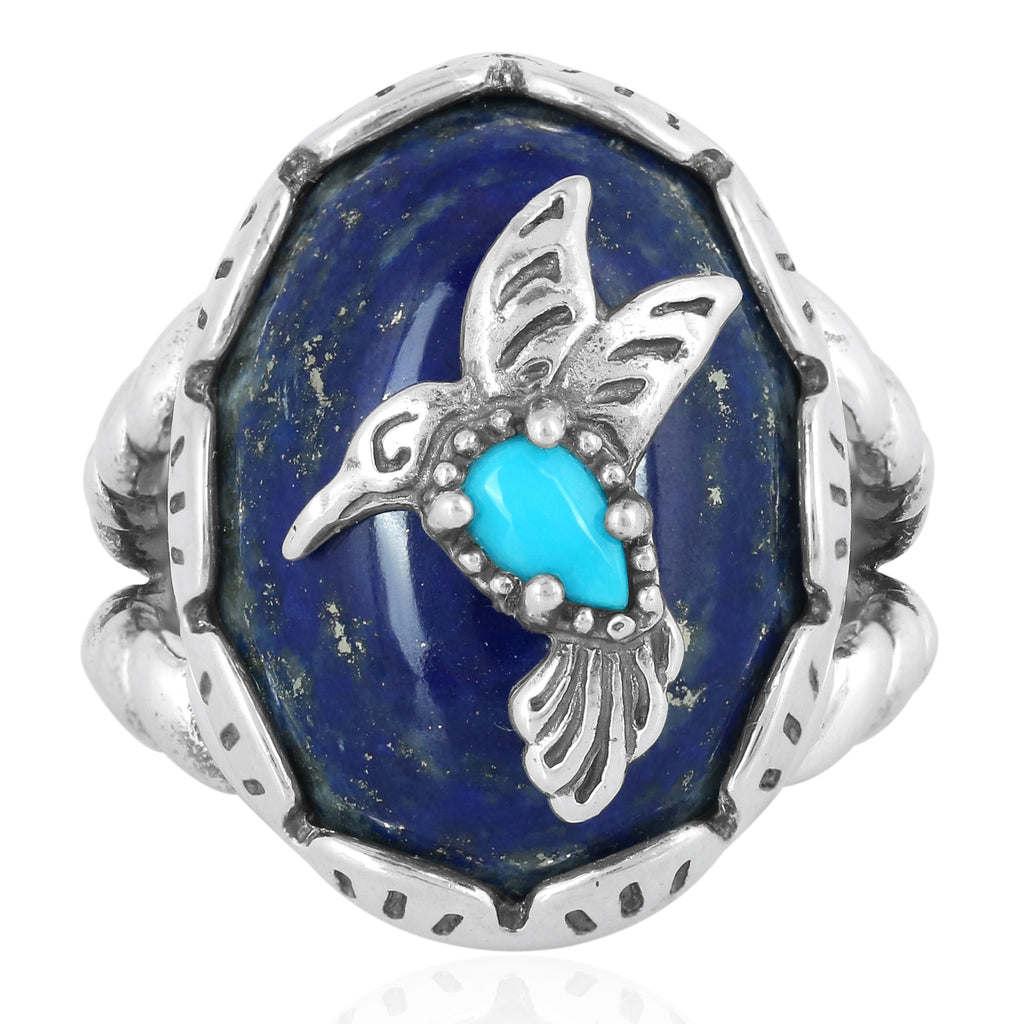


SHOP ALL TURQUOISE
GIA Certified Gemstones
Enjoy your new, genuine gemstone jewelry. Know that it is uniquely yours, since no two stones are alike! Naturally beautiful, gems and shells will vary ~its Mother Nature’s fingerprint on your piece to treasure.

SHOP ALL TURQUOISE
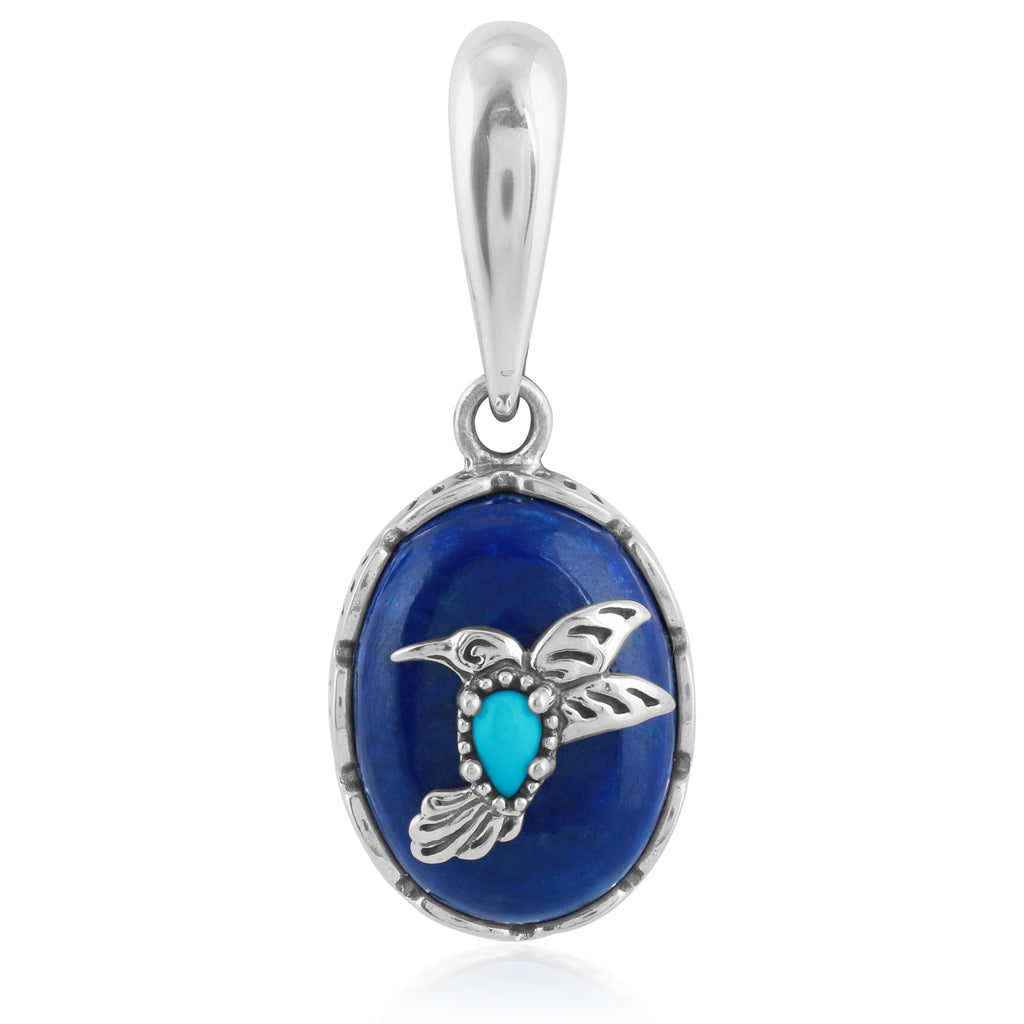
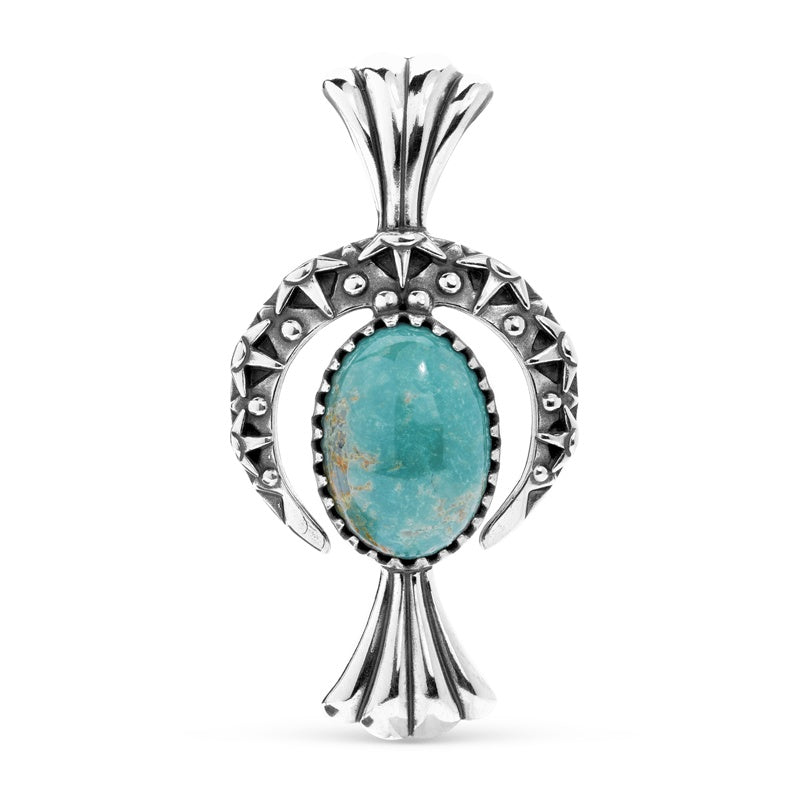
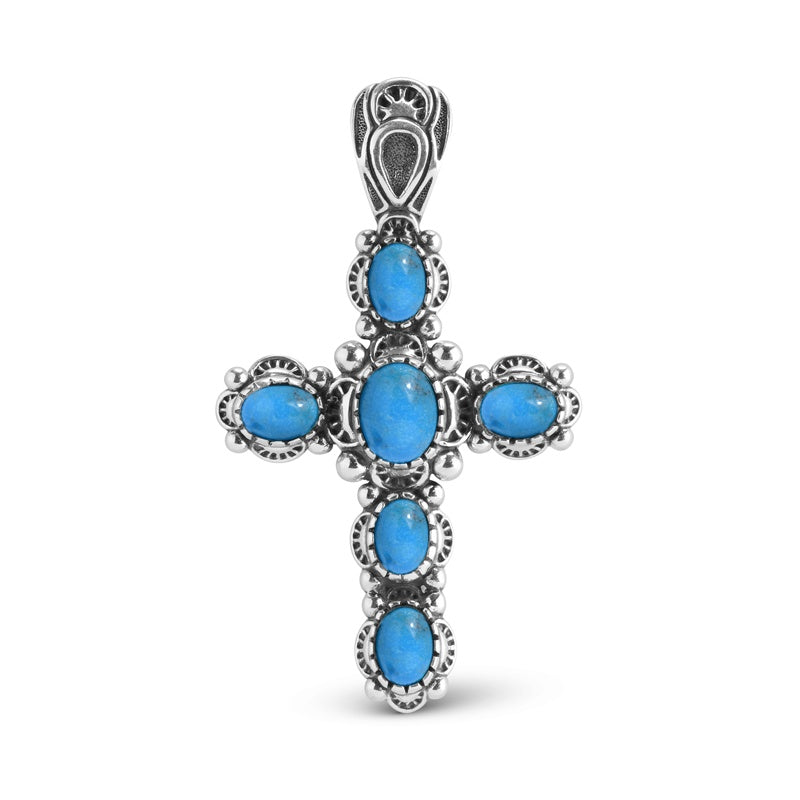
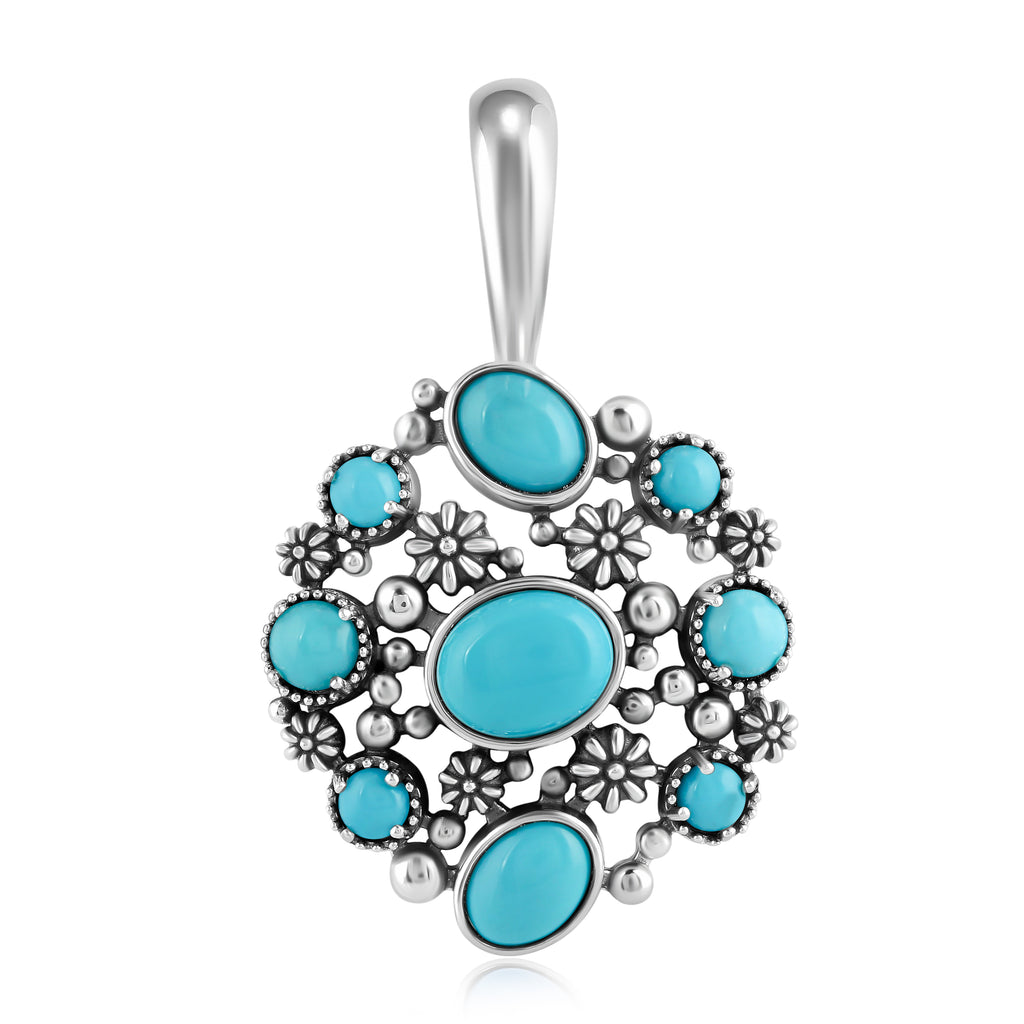
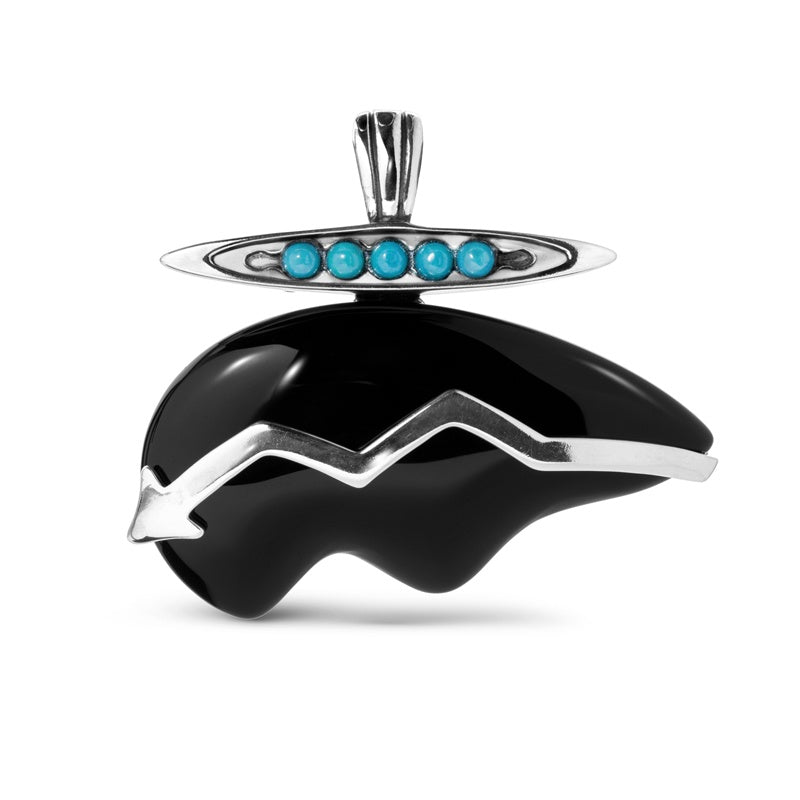


SHOP TURQUOISE RINGS
SHOP SLEEPING BEAUTY
SHOP GREEN TURQUOISE
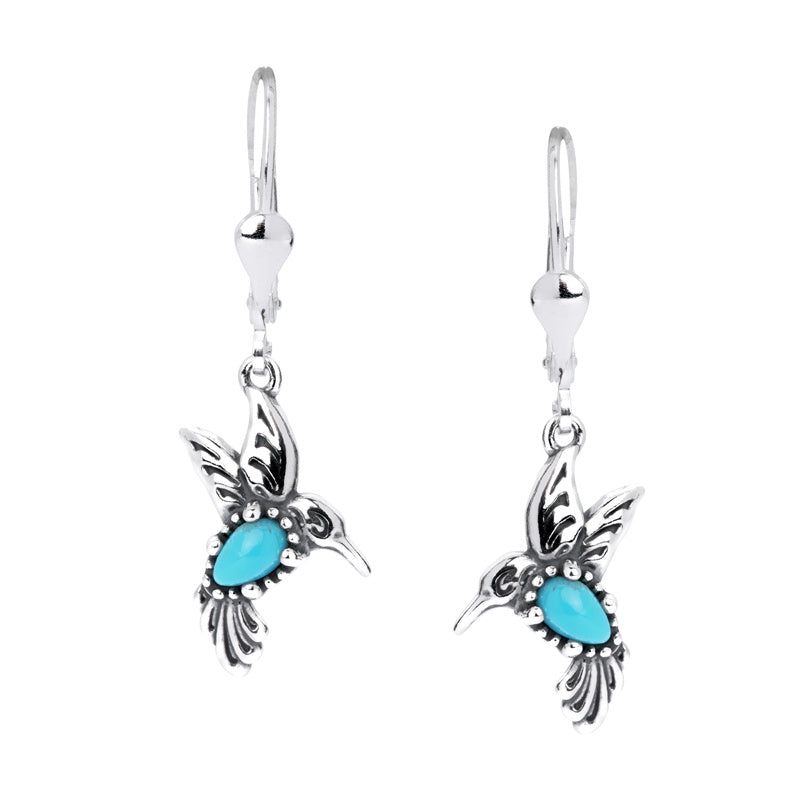
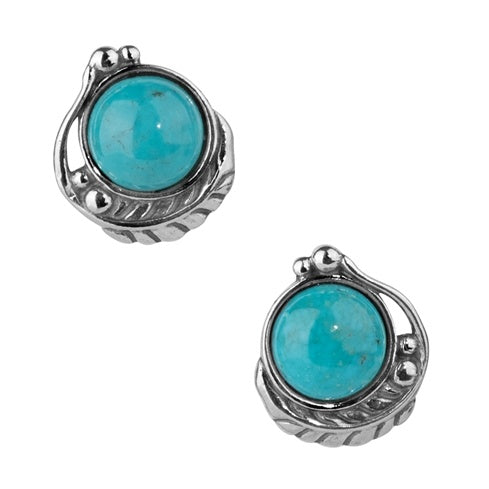
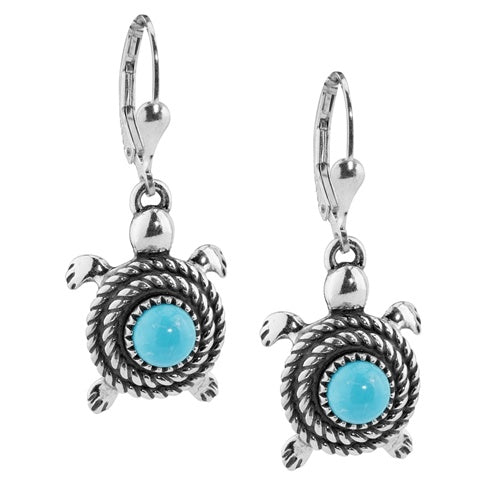


SHOP ALL TURQUOISE


- Blue Turquoise: It was first found in Persia, and has since been found in pockets, or veins, around the world, including some American mines. Blue turquoise forms when its host rock contains a high level of copper. For this reason, the Sleeping Beauty Mine in Arizona, which is surrounded by copper mines, is best known for its clear blue turquoise
- Sleeping Beauty Turquoise:The sky-blue Sleeping Beauty stones display a vibrant hue that has been coveted as the epitome of turquoise since the stone's discovery. Legend has it that when the wind whistles through the canyon it is searching for this sky stone. The now-closed Sleeping Beauty Turquoise Mine, in Arizona, was long heralded for its Robin's egg blue stones that contain so few matrices that it is virtually flawless in appearance.
- Green Turquoise: It is found in parts of the American Southwest, as well as in parts of Asia and the Middle East. Green turquoise is created when there is a higher level of aluminum than copper, or when zinc or iron replaces the aluminum entirely. In recent years green turquoise has become highly sought after for its rare color and matrix formations.
- Kingman Turquoise: The Kingman Turquoise Mine, in Arizona, is one of the oldest turquoise mines in America. It was discovered more than 1000 years ago by the Indigenous peoples of the area. The mine is known for producing many variations of stones, from sky blue to green, and containing striking matrices that make each stone rich in character and uniqueness. This mine has been the biggest supplier of turquoise to Southwestern jewelry in history.
SHOP ALL TURQUOISE
Turquoise jewelry has remained one of the most recognizable forms of gemstone jewelry due to its color, composition, and long-standing use in Southwestern design. This page provides a closer look at what defines genuine turquoise and how it is used in fine jewelry.
At American West Jewelry, all turquoise is tested and certified by the Gemological Institute of America (GIA). Each piece is designed in Albuquerque, New Mexico and crafted in sterling silver, combining material quality with regional design influence.
What Makes Turquoise Unique
Turquoise is a naturally occurring mineral formed from copper, aluminum, and phosphorus. Its color can range from bright blue to green depending on the mineral content present during formation.
One of the defining features of turquoise is its variation. No two stones are identical. Differences in color, pattern, and surface markings—known as matrix—are natural and help distinguish genuine turquoise from imitation materials.
Understanding Turquoise Color and Matrix
The color of turquoise is influenced by its environment:
- Blue turquoise forms when copper is the dominant mineral
- Green turquoise develops when iron or zinc is present
- Blue-green tones occur when multiple minerals interact
Matrix patterns form when surrounding materials such as quartz or sandstone remain within the stone. Some turquoise has minimal matrix for a cleaner appearance, while others display visible veining and texture.
Common Types of Turquoise
Sleeping Beauty Turquoise
Known for its bright, sky-blue color and minimal matrix, this Arizona-sourced turquoise is one of the most recognized varieties.
Kingman Turquoise
Mined in Arizona, Kingman turquoise produces a wide range of colors and often features visible matrix patterns that give each stone character.
Green Turquoise
This variety is valued for its earthy tones and has become increasingly popular in modern Southwestern jewelry designs.
How Turquoise Is Used in Jewelry
Turquoise is typically set in sterling silver, which enhances its color and provides durability. The contrast between silver and stone is a defining feature of Southwestern jewelry.
Many turquoise stones are stabilized to improve strength and maintain their natural color over time. This is a standard practice in the jewelry industry and allows turquoise pieces to be worn more frequently.
Choosing Turquoise Jewelry
When selecting turquoise jewelry, consider:
- Color preference (blue vs. green tones)
- Matrix style (clean vs. patterned)
- Type of turquoise (Sleeping Beauty, Kingman, etc.)
- Jewelry type (rings, necklaces, bracelets, earrings)
Each piece reflects the natural characteristics of the stone, making every selection unique.
A Stone Defined by Natural Variation
Turquoise jewelry stands out because of its individuality. The combination of color, matrix, and shape ensures that no two pieces are the same.
Explore American West Jewelry to find turquoise designs that emphasize authenticity, craftsmanship, and the natural qualities of the stone.